Cancel direct debit


You stop a direct debit by withdrawing the mandate, so that a company is no longer allowed to debit money from your account. You arrange this with the company itself or via your bank, and it can be done at any time. Below you can read how to stop a direct debit, how that differs from a chargeback and what you need to pay attention to.
How do you stop a direct debit?
You stop a direct debit by withdrawing the mandate or blocking the direct debit, either at your bank or with the company collecting the money. With this step-by-step guide, you can arrange it in just a few steps.
Step 1: find the direct debit in your bank statement
First, find the direct debit in your online banking or app, under your direct debit overview or your mandates. Note down the name of the company collecting the money and the corresponding mandate reference, as you will need this information to stop the correct direct debit.
Step 2: withdraw the mandate or block the company
Then, withdraw the mandate or block the company, so that nothing more is debited. You usually have these options through your bank:
Selective block: you only block direct debits from one specific company.
General block: you block all direct debits at the same time.
Approval list: you refuse everything, except for the companies you explicitly allow.
You can also withdraw the mandate directly with the company, using a letter, an email, or the red card you received with the mandate.
Step 3: also cancel your contract or subscription
Next, also cancel your contract or subscription with the company, because stopping the direct debit does not stop your payment obligation. If the contract continues, you remain liable for the amount and the company can still demand payment. Therefore, arrange the cancellation separately from stopping the payment.
Step 4: check if the direct debit has actually stopped
Finally, check if the direct debit has indeed stopped by looking at the confirmation in your banking environment and monitoring the next scheduled debit date. If money is still debited, then that debit is unauthorised and you can have the amount refunded through your bank.
What is the difference between cancelling a direct debit and a chargeback?
The difference between stopping a direct debit and a refund lies in the direction: stopping prevents future debits, while a refund reverses a debit that has already taken place. When stopping, you withdraw the mandate or block the company so that nothing more is debited.
With a refund, you ask your bank to return money that has already been taken from your account. If you want to ensure nothing is debited in the future, you should focus on stopping it. A refund is intended for a debit that has already occurred and which you do not agree with.
Can you reverse a direct debit?
Yes, you can reverse a direct debit, usually up to 8 weeks (56 days) after the debit and without having to provide a reason. This reversal is called a chargeback (or 'storneren' in Dutch) and you can arrange it yourself in your online banking or app. Because the direct debit is processed via the European SEPA system, this 8-week period applies to both recurring and one-off direct debits.
If it concerned a debit for which you never gave authorisation, or which you had already withdrawn, then the direct debit is unauthorised. You can have such an amount reversed up to 13 months after the debit by reporting an unauthorised direct debit to your bank.
Stop automatic debit or cancel your contract
Stopping a direct debit is not the same as cancelling your contract, and that difference is important. If you only stop the direct debit but the subscription or contract continues, you are still liable for the money. The company can then still demand the outstanding payment, with a reminder or extra costs.
If you stop a legitimate debit, make sure you pay the bill in another way. If you really want to get rid of the costs, you cancel the contract with the company and stop the direct debit at your bank. Those are two separate steps.
Stop or refund a business B2B direct debit
Stopping or reversing a business B2B direct debit works differently than with a regular direct debit. With a business European direct debit between companies, you waive your right to refund in advance, which means you cannot simply reverse a debited amount. As an entrepreneur with a business account, you must therefore block a B2B direct debit in time instead of reversing it after the fact.
If you want to stop a business direct debit, revoke the mandate no later than the working day before the debit, or refuse the direct debit on the day itself by calling your bank. Please note: if there are insufficient funds, a B2B direct debit is often still debited, which will cause you to go into overdraft.
Cancelling a direct debit varies by bank
Stopping a direct debit varies by bank in terms of the precise steps, although the idea works the same way everywhere. At ABN AMRO, you arrange blocking via online banking and not via the app, whereas refunding and rejecting can be done in the app. At Rabobank, you go to Payments and receipts and then to your transactions, where you can refund or stop a direct debit.
At ASN and RegioBank, you will find the options under the direct debit overview in Online Banking, and at ING, you manage your mandates and limits in the direct debit overview. If you are not sure where to go, your own bank's customer service will be able to help you further.
Stay in control of your direct debits
You can keep a grip on your direct debits by regularly checking your overview and stopping direct debits you no longer want in time. This prevents unexpected debits and ensures you only pay for what you actually use. A clear direct debit overview makes this a lot easier, especially if you have multiple active direct debits as an entrepreneur.
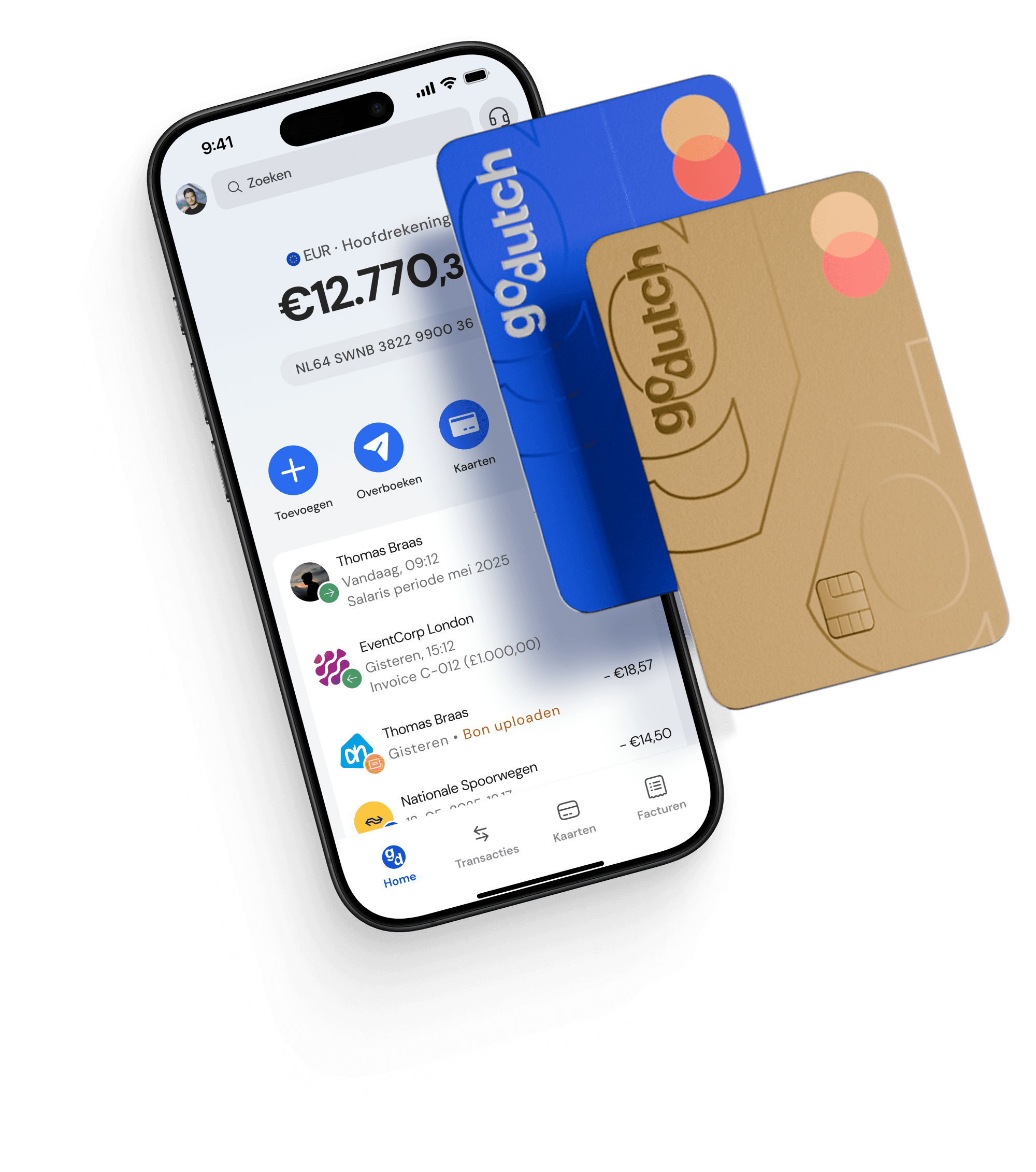
With GoDutch, you can clearly see your outgoing direct debits in the app, so you can quickly see what is being debited from your account and where you can intervene. This way, you maintain control over your business payments yourself.
FAQ
Frequently asked questions about cancelling a recurring debit cancelation
Does it cost money to stop a direct debit?
No, cancelling a direct debit does not cost any money: you can arrange it for free via your bank or the collecting company. What a provider does charge are the standard transaction costs for payments, independent of the cancellation. You do not pay anything to withdraw or block an authorisation.
Will I keep paying if I stop the direct debit?
Yes, you will continue to pay if you stop the direct debit while you still have a valid contract or subscription. Stopping it only prevents the automatic debit, not your obligation to pay. Therefore, you should also cancel the contract with the company if you really want to get rid of the costs, otherwise the bill will just keep running.
Can a company continue to collect payments after cancellation?
After cancellation, a company is no longer allowed to collect direct debits, and if they still do, the debit is unauthorised. You can have such an unauthorised direct debit reversed by your bank for up to 13 months after the debit occurred. If necessary, block the company completely if they repeatedly continue to make unauthorised debits.
How do I stop a business direct debit in time?
You can stop a business direct debit in time by revoking the mandate at the latest on the working day before the debit. If that is no longer possible, call your bank on the day of the debit to refuse the direct debit. This is because you can no longer reverse a debited business B2B direct debit yourself.
Can I block all direct debits at the same time?
Yes, you can block all direct debits at once with a general block on your account. This means your bank will refuse any direct debit from any company. If you still want to allow certain debits, an approval list is more convenient, containing only the companies that are allowed to debit from your account.
Where can I find my direct debits?
You can find your direct debits in your online banking or in your bank's app, usually under a direct debit overview or overview of your mandates. There you can see which companies are allowed to debit from your account. From that same overview, you can withdraw a mandate, block a company or reverse a debit.