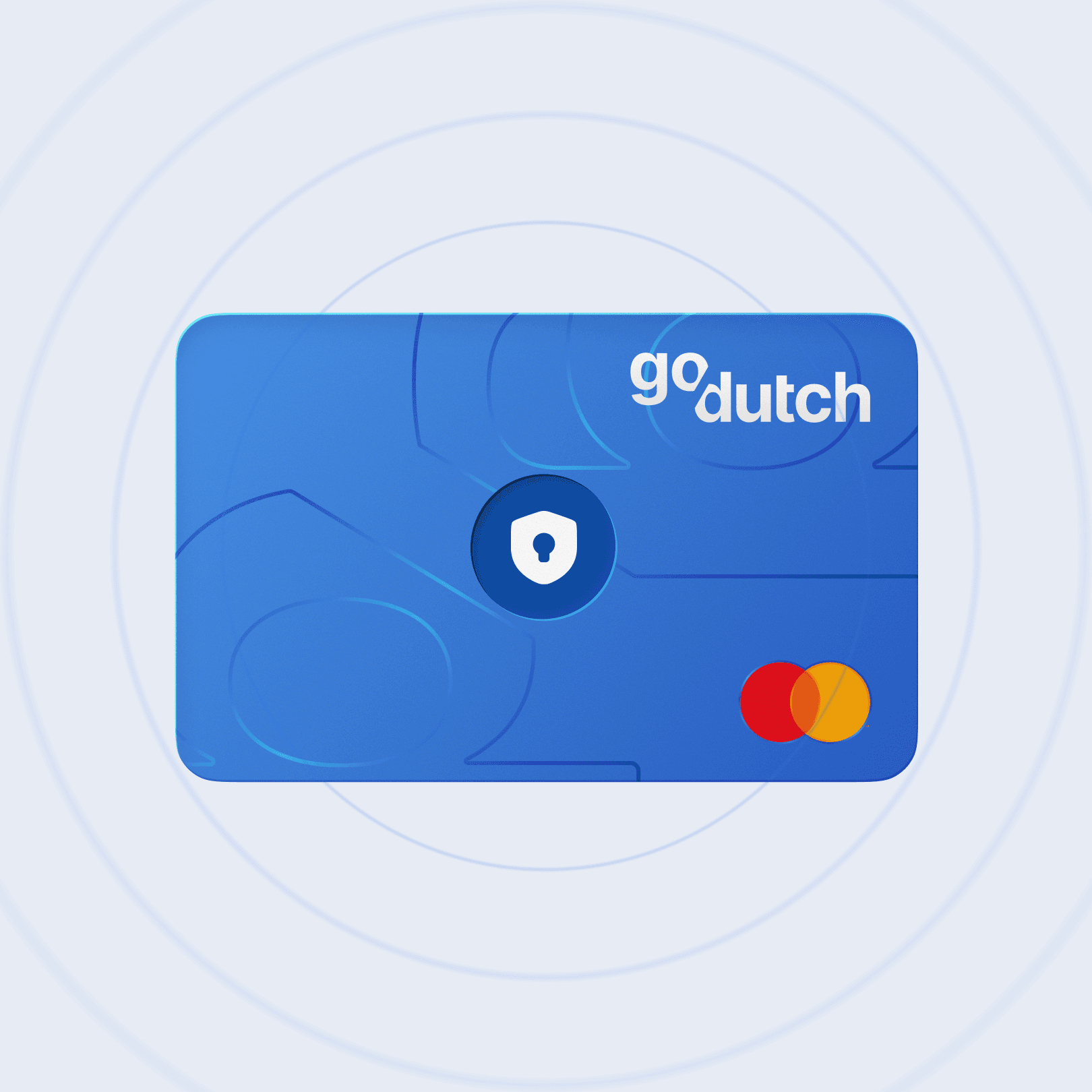
How we protect your account
Your GoDutch account is standardly secured with smart features against fraud, errors, and unwanted payments.
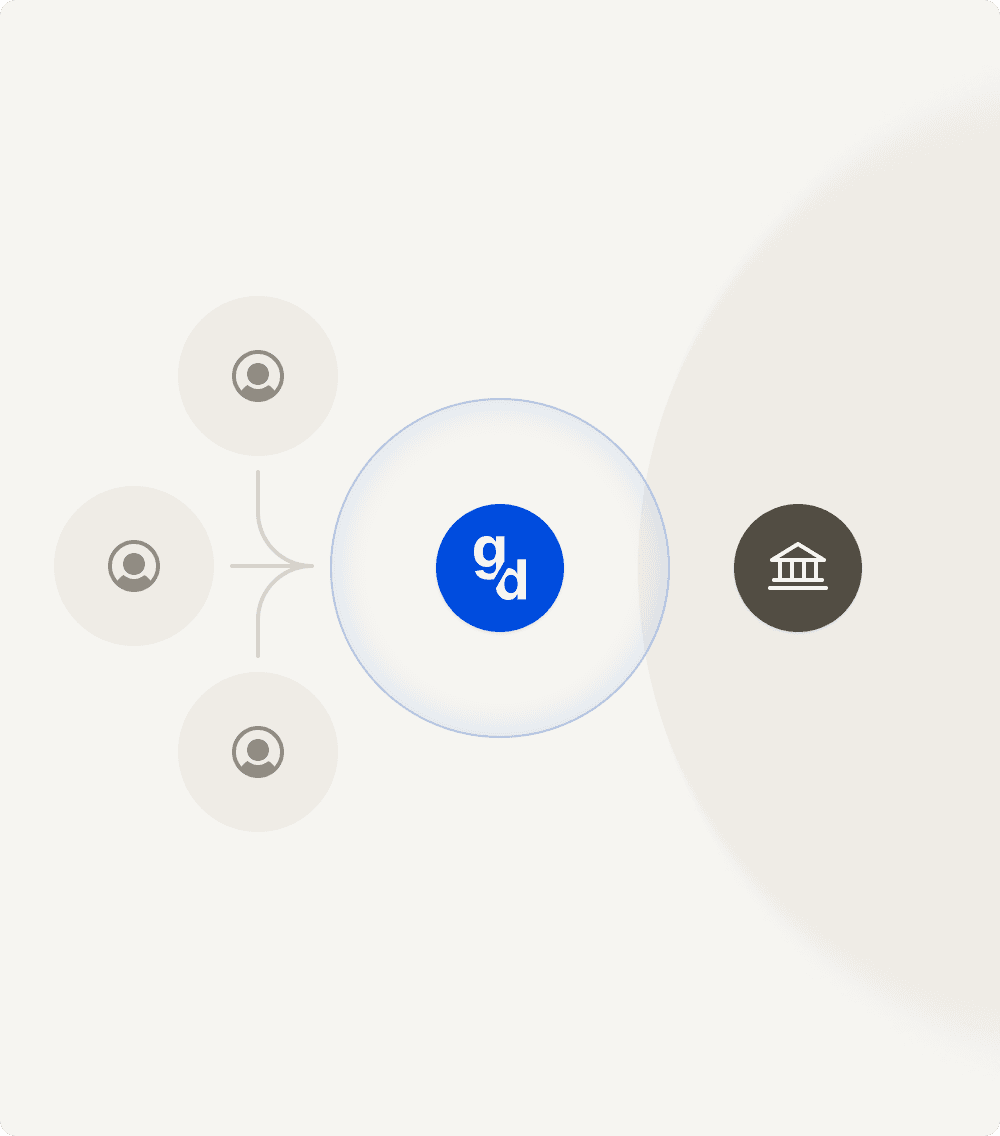
A segregated account
Your money is held in a segregated account, set up in a foundation. If anything were to happen to GoDutch, your money is separate from our own assets.
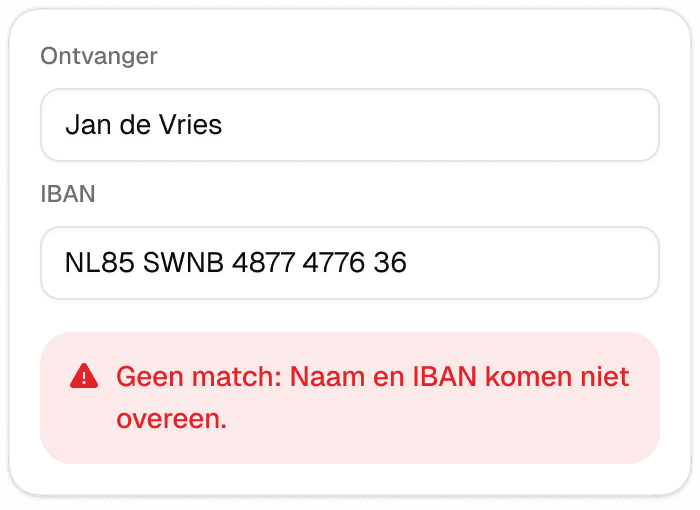
Pay with certainty
We automatically check if the name and IBAN match, so that your money always reaches the correct recipient.
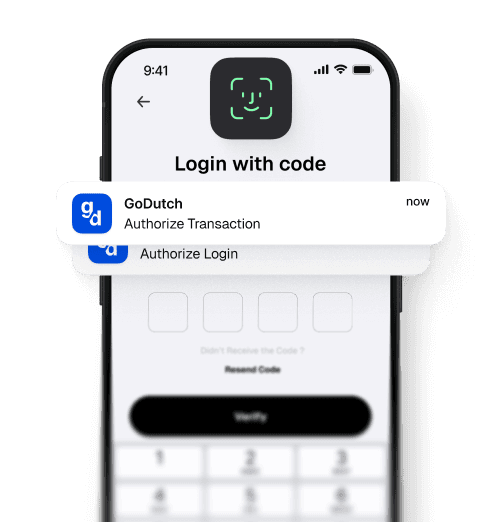
Extra security with multi-layered authentication
For sensitive actions such as logging in and payments, we use multi-factor authentication (MFA). This way, you are always the only one who has access to your account.
How do you keep your GoDutch account secure?
You keep your GoDutch account secure by treating access to it as carefully as the keys to your business premises. The app's security protects your account, but no security can stop a payment you confirm yourself, and that is exactly what fraud targets. These habits make the difference:
Never pass on codes: a verification or login code is for you alone, even if someone says they are from GoDutch.
Secure your phone: use a screen lock, because your phone gives access to your app and your cards.
Keep the app up to date: install updates so you have the latest security.
Only log in yourself: go through the app or type the address in yourself, never through a link in an email or text message.
Give team members their own access: don't share your login details; give everyone their own login so you can see who does what.
How do you secure business payments within your team?
You secure business payments within your team by arranging access, permissions and agreements per person instead of one shared account. The more people who make payments, the more important it becomes to know who can do what and who has done what:
Own login and card per person: give each team member their own access and their own card, so every action and every payment is linked to one person.
Limits per card: set a limit per card for each team member that fits their role, so the damage from a stolen card or a mistake stays within that limit.
Update access when someone leaves: adjust access as soon as someone leaves your team or takes on a different role, instead of waiting until something goes wrong.
A fixed agreement on account numbers: agree that a supplier's changed IBAN is always checked by a second person before anything is paid.
How do you recognise fraud as a business owner?
Fraud against business owners usually revolves around urgency and a sender you seem to know. A few forms are common:
Fake invoices: an invoice that looks real, for a delivery that never took place or from a supplier you don't work with.
A changed IBAN: a message from a known supplier saying their account number has changed, asking you to pay the next invoice to the new number.
An urgent request from "the director": an email or message that seems to come from someone within your company, asking you to make a payment right now.
Phishing: an email or text message that sends you to a fake login page, often with a warning that your account will be blocked if you don't log in quickly.
The rule of thumb is the same in all these cases: check a request to pay or to change an account number through contact details you already had, not through the message itself. The name-IBAN check helps with this, but only works for euro transfers within the eurozone.
What does GoDutch never do?
GoDutch never asks you to transfer money or share codes, not even when it seems urgent. Fraudsters increasingly pose as a financial institution, so it helps to know what GoDutch will never ask of you in any situation:
Transferring money: GoDutch never asks you to transfer money to another account, not even in an emergency.
Codes and passwords: GoDutch never asks for your PIN, password or security codes.
A home visit: GoDutch never comes to your door on its own initiative.
Access to your devices: GoDutch never asks for access to your computer, phone or tablet, and never asks you to install software.
Contact through others: GoDutch never lets external parties contact you on behalf of GoDutch.
Anyone who calls you with such a request anyway is not from GoDutch, even if the number or the name looks real. In that case, hang up and get in touch yourself through the official channels.
What do you do if you have been a victim of fraud?
If you have been a victim of fraud, act as quickly as possible, because every hour counts in limiting the damage. Take these four steps in this order:
Contact GoDutch immediately: report what happened through the official channels, also outside office hours.
Change your login details: if you have shared codes or details, secure your account again.
Report it to the police: a police report is often needed if you later try to get money back.
Report it to the Fraudehelpdesk: there the fraud is registered and you get advice on the next steps.
What do you do if you are unsure about a message or payment?
If you are unsure about a message, a phone call or a payment, contact GoDutch yourself through the official channels, instead of replying to the message or calling back the number you were given. You can always find the official contact details on the website itself, not in the message you are unsure about. You get 24/7 personal service from real people, via chat, email and phone.
If you are unsure during a phone call whether you are really speaking to GoDutch, ask for a verification in four steps:
Ask for an official verification: say that you want to check whether the call really comes from GoDutch.
Choose a PIN yourself: tell the employee a PIN of your choice.
Receive the PIN by email: GoDutch sends that PIN from support@godutch.com to the email address linked to your account.
Check the PIN: if the PIN in the email matches, you can safely continue the call.
When in doubt, it is better to call or email once too often than once too little.
How is your money protected at GoDutch?
GoDutch holds your money in full in a segregated account, set up in a foundation. If anything were to happen to GoDutch, your money is separate from our own assets. That account is held at our partner bank, BNP Paribas. In the unlikely event that BNP Paribas itself failed, the funds in that account qualify for deposit guarantee protection of up to €100,000.
FAQ
Frequently asked questions
Discover answers to frequently asked questions about our products and services.
Is GoDutch supervised?
Yes, GoDutch's payment services are supervised. For this, GoDutch works with a regulated financial partner that is supervised by the French regulator ACPR/Banque de France. That partner is authorised to provide payment services in the Netherlands and is registered with De Nederlandsche Bank.
Is my data safe?
Yes, your data is stored encrypted and protected against unauthorised access. GoDutch complies with the General Data Protection Regulation (GDPR). This applies to your personal data, your company data and your transactions.
What should I do if my card is lost or stolen?
If your card is lost or stolen, contact GoDutch immediately through the official channels, also outside office hours. The sooner you report it, the smaller the chance that someone else pays with your card. If someone has paid with the card, reporting it quickly also helps in recovering those payments.
What do I do about a payment I don't recognise?
For a payment you don't recognise, first check whether it comes from a team member or a forgotten subscription. If you can't trace the payment anywhere, report it to GoDutch immediately through the official channels. The sooner you do so, the more can still be done.
Will I get my money back if I have been scammed?
Whether you get your money back if you have been scammed is not certain. If you confirmed a payment yourself, it is in principle treated as made by you. The sooner you contact GoDutch and report it to the police, the greater the chance that something can still be stopped or recovered.
