GoDutch vs Revolut
We have listed the main differences for you, so that you can make the best choice.
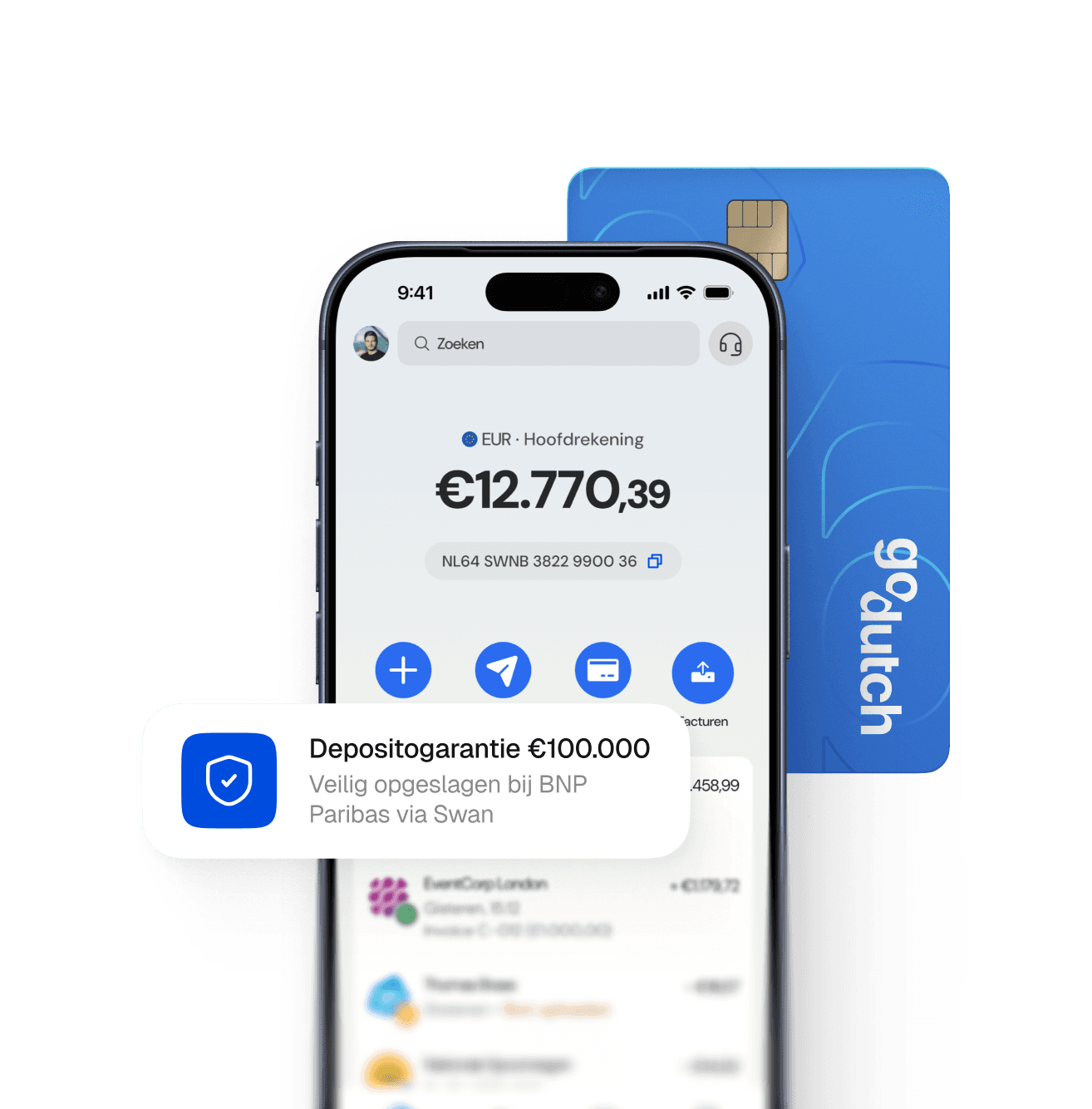
€0 fixed costs per month
NL IBAN active in 1 day
Up to 1% cashback on every payment, unlimited
24/7 real people on the phone

Which one should you choose?
Are you opening a business account with Revolut or GoDutch? I built GoDutch because entrepreneurs in the Netherlands do not need a Lithuanian IBAN like with Revolut: a foreign IBAN, limited Dutch support, no cashback. With GoDutch, as a modern entrepreneur, you get a Dutch business account in 1 day, free, with cashback and automated bookkeeping. Below, you can see both side by side for your business.

Account
Dutch IBAN
Extra (virtual) IBANs
Free card
Free customer and company research
Open account / onboarding
Fully digital registration process
Registration time
Processing time KYC/KYB
Costs
Fixed costs p/m (starting price)
Cost per SEPA payment
Cost of additional payment account (IBAN)
Cost of additional payment card
Features
Real-time balance insight
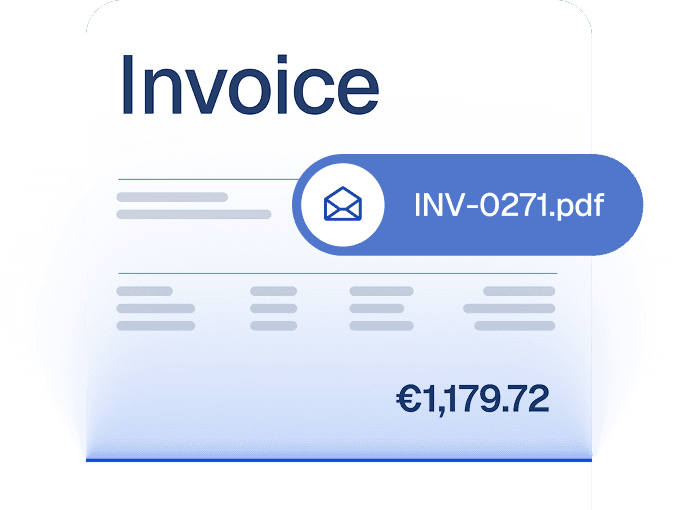
Automated invoice processing
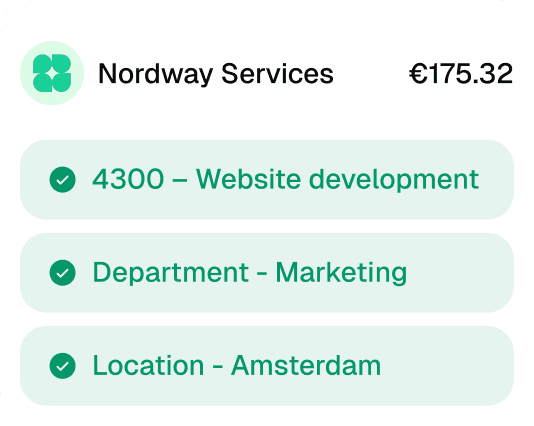
Automatic VAT recognition
Access for accountant / bookkeeper
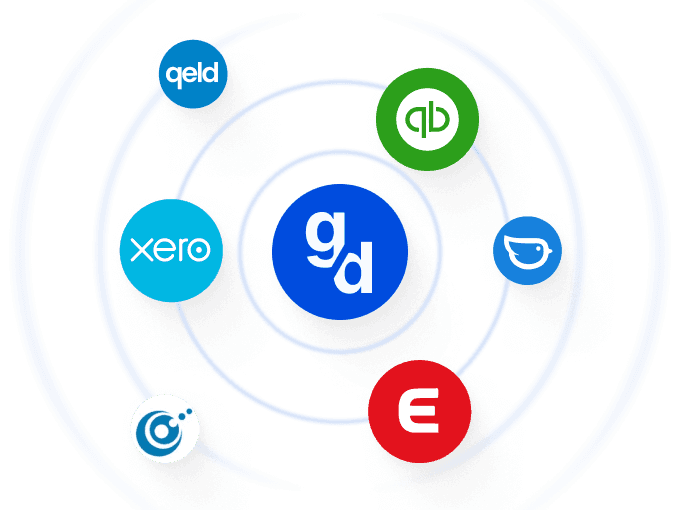
Accounting integrations
Team card and expenditure management
International
Currency exchange at mid rate
Countries available
Currencies available
Security & Support
Deposit guarantee (covered up to)
24/7 telephone support
Multilingual customer support
Rewards
Cashback on card transactions
Up to 50
3 minutes
1 day
€0
€0.12
Included from Starter
Free
At cost
160+
20+
€100,000
Max up to 1.0%
 Up to 4.37% return
Multiple, free
10 minutes
Up to 5 working days
€10
€0.20
Free
Delivery from ~€6; virtual free
From the Grow plan
Yes, via Expenses (+€8 per user)
From the Grow plan
€1,000 p/m, then 0.6%
150+
30+
€100,000
Only via chat
Yes, 1.25–2.25% interest
This comparison is based on publicly available information as of 12 October 2026. Prices, features and terms may change. Always check the provider's website for the most up-to-date information.
Useful features
More than just a payment account
Everything you need to smartly manage your finances as an entrepreneur, from payments to insights.
FAQ
Frequently asked questions
Discover answers to frequently asked questions about our products and services.
What are the main differences between GoDutch and Revolut for Dutch entrepreneurs?
The main differences between GoDutch and Revolut for Dutch entrepreneurs are the banking licence, the cashback model and customer service. GoDutch operates under a Dutch banking licence with the Dutch deposit guarantee scheme up to €100,000 per account holder. Revolut Business operates from Lithuania under a Lithuanian banking licence, with deposit protection provided through the Lithuanian scheme; also up to €100,000, but under a different legal framework.
In terms of cashback, GoDutch offers unlimited cashback of up to 1% on all card spending, increasing by package. Revolut offers no cashback on business card spending, regardless of the plan chosen. For entrepreneurs who regularly make substantial business expenses by card, that creates a measurable annual difference.
Customer service is the third key distinction. GoDutch offers 24/7 telephone support in Dutch and English on all packages. Revolut works primarily via in-app chat, without general telephone support; only Enterprise customers get access to premium support. For entrepreneurs who want to be able to reach someone directly with urgent questions, that is a practical difference felt every day.
What Revolut Business plans are available and how do they compare with GoDutch?
Revolut Business has four plans: Basic, Grow, Scale and Enterprise. Monthly costs range from around €10 for Basic to bespoke rates for Enterprise, with increasing free transaction limits and features at each tier. The former Freelancer account for sole traders was discontinued on 9 July 2024, meaning self-employed users now have to choose from these four.
The Revolut plans at a glance:
Revolut Basic: around €10 per month, 10 free local payments, 5 free international payments, currency exchange up to €1,000 without markup
Revolut Grow: around €19 per month, 100 free local payments, 25 free international payments, currency exchange up to €15,000 without markup
Revolut Scale: around €79 per month, 1,000 free local payments, currency exchange up to €60,000 without markup
Revolut Enterprise: bespoke rates, unlimited allowances, dedicated account management
GoDutch has four comparable packages (Free, Starter, Pro, Max) ranging from €0 to €49 per month, but with a fundamentally different pricing model: a fixed transaction fee of €0.12 per SEPA payment with no free bundle limits, and unlimited cashback instead of tiered currency limits. For entrepreneurs who do not work internationally on a structural basis, GoDutch's pricing model is more transparent and more predictable in the long term. A full GoDutch pricing overview shows how the packages compare with Revolut's allowance model.
How high is the deposit guarantee with Revolut versus GoDutch?
The deposit guarantee amounts to €100,000 per account holder for both providers, but through different schemes. GoDutch falls under the Dutch deposit guarantee scheme (DGS), administered by De Nederlandsche Bank (DNB). Revolut Business falls under the Lithuanian deposit guarantee scheme (Public Institution "Deposit and Investment Insurance"), because Revolut Bank UAB has a Lithuanian banking licence.
Functionally, both schemes amount to the same sum (€100,000 per person), but there are practical differences. In the event of a claim, the process for GoDutch goes via DNB and Dutch authorities, in Dutch. With Revolut, this goes via Lithuanian authorities, with Dutch translation of documentation and possibly longer lead times in cross-border procedures.
For entrepreneurs who want their balance to fall under Dutch supervision and Dutch procedures, that is a consideration to take into account. For entrepreneurs who operate internationally and are used to cross-border structures, the Lithuanian scheme is effectively equivalent in coverage in practice. More details about Revolut's structure can be found on the page about Revolut's business account.
How expensive is a SEPA payment with GoDutch compared with Revolut?
A SEPA payment with GoDutch costs €0.12 per transaction, with no free allowance and no difference by package. With Revolut Business, it works differently: you get a fixed free allowance per month (10 payments on Basic, 100 on Grow, 1,000 on Scale) and pay €0.20 per payment above that allowance. The break-even point between the two models varies by Revolut plan.
For a self-employed person with 25 SEPA payments per month, on Revolut Basic this means: 10 free plus 15 × €0.20 = an extra €3.00 on top of the €10 package fee, or €13 per month in total. With GoDutch, that is 25 × €0.12 = €3.00 per month, in the Free package with no further costs. For an active SME with 200 SEPA payments per month, the difference becomes larger: Revolut Grow costs €19 for the package plus 100 × €0.20 = €39 per month; GoDutch Starter costs €12 for the package plus 200 × €0.12 = €36 per month, including cashback and standard features such as automated invoice processing.
The structural difference lies not only in the price per transaction but in predictability. With GoDutch, you know in advance exactly what you will pay; with Revolut, the costs depend on the plan, the volume and the additional charges for weekend transactions and currency exchange. A more detailed look at the cost structure of business accounts shows how this plays out across different types of business owners.
What currency exchange fees does Revolut charge compared with GoDutch?
Revolut uses a tiered currency exchange model with a monthly free limit per plan, above which a markup of 0.6% to 1.4% is added on top of the official rate. In addition, an extra 1% markup applies for exchanges outside office hours (evenings and weekends). GoDutch works with the mid-market rate without margin, in all packages, at any time of the week.
The free limits at Revolut: up to €1,000 per month on Basic, €15,000 on Grow, €60,000 on Scale, and higher limits for Enterprise. Above these thresholds, a 0.6% markup applies during office hours and 1.4% at weekends or outside European trading hours. For an entrepreneur who processes a payment in dollars on a Sunday above his monthly limit, this can amount to an effective markup of 2.4%.
At GoDutch there is no weekend surcharge and no monthly limit; currency exchange always takes place at the official mid-market rate, with transparently visible costs per transaction in advance. For an entrepreneur who regularly works in foreign currencies, for example a holding company with subsidiaries abroad or a freelancer with international clients, that makes a structural difference in both costs and planning convenience. On €100,000 in annual currency transactions, the exchange-rate markup alone already saves €600 to €1,400 in GoDutch's favour, depending on the Revolut plan.
What cashback do I get with GoDutch compared with Revolut?
GoDutch offers unlimited cashback of up to 1% on all card spending, on the Pro (0.5%) and Max (1%) packages. Revolut Business offers no cashback on business card spending, on any plan. For entrepreneurs who run their business expenses through the card, that is a structural difference.
In figures: an entrepreneur with €5,000 monthly card spending via Revolut Business earns €0 cashback per year. The same entrepreneur via GoDutch Max earns €600 per year (1% × €60,000). The cashback is automatically paid back into your business account and has no upper limit, regardless of the type of expense (software, hardware, travel costs, subscriptions).
For growing businesses with several spending employees, that difference can quickly add up. A team of four employees, each with their own card and average business spending of €2,000 per month, generates €960 cashback per year with GoDutch Max (1% × €96,000). For an active GoDutch BV account with team cards, that means the cashback alone covers a large part of the subscription costs, something that is structurally not possible with Revolut Business.
From which plan does Revolut offer automatic invoice processing, and how does that work with GoDutch?
Revolut only offers automatic invoice processing from the Grow plan onwards (around €19 per month). The Basic plan (€10 per month) does not include this feature, meaning entrepreneurs have to process invoices manually or use an additional tool. At GoDutch, automatic invoice processing is standard from the Starter package (€12 per month) and in all higher packages.
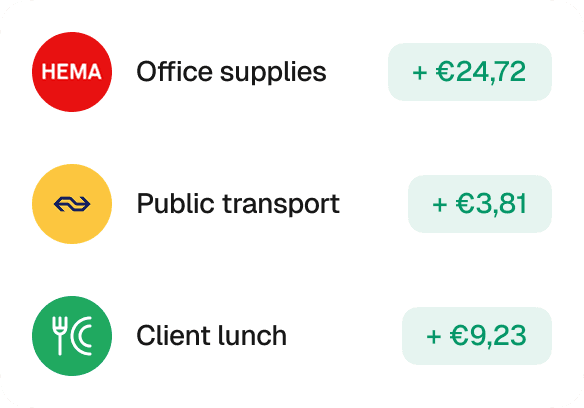
The functional difference is concrete. At GoDutch, the app reads incoming invoices, recognises the VAT amount, categorises the expense and prepares the payment for approval. The link with your accounting is real time and included. At Revolut Basic, you must add this functionality via external accounting integrations or choose the Grow plan, which costs €9 per month extra (€19 versus €10).
In addition, GoDutch offers direct API integrations with more than 30 accounting packages in every paid plan, whereas Revolut works with a more limited number of standard integrations. For entrepreneurs who want to automate their administration as much as possible, the difference saves time on an ongoing basis, especially if you work with specific accounting tools. A complete overview of the available GoDutch integrations with accounting packages shows which integrations work straight away.
How much does an additional debit card cost with Revolut compared to GoDutch?
An additional debit card with Revolut costs €5 per card, one-off. In addition, with Revolut, extra cards are functionally dependent on the chosen plan: extensive card controls and limits per card are only available from Grow onwards. With GoDutch, extra physical and virtual cards are free from the Starter package, rising to an unlimited number of cards on the Max package.
For an entrepreneur who needs three extra cards (for example, for two employees and a general business card), that costs €15 one-off with Revolut, plus a possible upgrade to the Grow plan for spending control. With GoDutch, this is included free of charge in the Pro package at €29 per month, including advanced spending restrictions per card, category restrictions and immediate blocking via the app.
For growing SMEs that want to provide several employees with their own business card on a structural basis, the practical costs and functional limitations with Revolut rise more quickly. The combination of free cards and spending control from the Starter package makes GoDutch more flexible for team-based structures.
How does GoDutch's customer service differ from Revolut's?
GoDutch offers 24/7 telephone support on all packages, in both Dutch and English, by its own staff via chat, email and phone. Revolut works primarily via in-app chat without regular telephone support; only Enterprise customers get access to priority support and dedicated account managers.
For day-to-day business questions (a blocked card, a failed payment, a question about a payment request), at Revolut everything goes via the in-app chat function. Response times depend on the subscription and can stretch to hours or days, especially on Basic and Grow. For entrepreneurs who need fast help in their business operations, that is a practical limitation.
GoDutch combines digital user-friendliness with the accessibility of a traditional provider. Pro and Max customers get priority support, and Max customers also get a dedicated account manager. For entrepreneurs who want to speak directly to someone when urgent questions arise, rather than start a chat conversation, GoDutch in practice is a better fit.
Is Revolut still available for self-employed people?
Yes, self-employed people can still open a Revolut Business account, but since 9 July 2024 the specific Revolut Freelancer account for the self-employed has been discontinued. New self-employed users must choose from the four regular Revolut Business plans: Basic, Grow, Scale or Enterprise. The entry package Basic costs around €10 per month, while GoDutch offers the self-employed a permanently free Free package with no end date.
For the self-employed, the discontinuation of the Freelancer account means in practice that Revolut’s starting point is now more expensive than before. The former self-employed rates, which were specifically tailored to self-employed people with limited transaction volume, have been replaced by the standard Business Basic tariff. For freelancers with fewer than 10 SEPA payments per month, this works acceptably; above that, the transaction fees of €0.20 per payment quickly add up.
GoDutch is positioning itself specifically towards this self-employed audience with a free Free package that remains unlimited. Self-employed people get a Dutch IBAN, virtual Mastercard, automatic accounting integration and 24/7 support as standard, with no monthly fees. For self-employed people looking for a digital alternative without package costs, GoDutch for the self-employed offers a structurally more economical starting point.
Which legal entity forms does GoDutch accept compared with Revolut?
GoDutch accepts all common Dutch business legal forms: sole traders, general partnerships (VOF), private limited companies (BV), public limited companies (NV), holdings, foundations, associations, homeowners' associations and cooperatives. Revolut Business accepts a similarly broad range but operates under a Lithuanian licence, meaning some Dutch legal forms require additional documentation and specific Dutch schemes (such as the 0% VAT rate for non-profits) do not apply.
Key differences in acceptance of legal forms:
Foundations and associations: GoDutch offers 0% VAT on the subscription; Revolut applies standard VAT without this non-profit benefit
Homeowners' associations: GoDutch has a specific homeowners' association package with functionality for board changes; Revolut does not offer a dedicated homeowners' association product
General partnerships: both accept general partnerships, GoDutch offers equal access for both partners as a standard feature
Cooperatives and public limited companies: both accept these legal forms, with similar documentation requirements
For boards of a non-profit organisation, the 0% VAT difference is structurally noticeable. On a subscription of €12 per month, that means €30 per year difference in VAT burden. For VOF partners, a GoDutch VOF account also provides shared access as a standard feature, while Revolut is mainly geared towards individual entrepreneurs with team extensions. Directors can directly apply for a account for foundation boards without extensive documentation requirements.
How international is Revolut compared with GoDutch?
Revolut operates from a Lithuanian banking licence and is fundamentally designed for entrepreneurs working internationally, with multi-currency accounts in more than 30 currencies and local account details in a number of countries. GoDutch supports international payments to more than 60 countries, incoming payments from more than 150 countries, and currency exchange in 20+ currencies at the official mid-market rate without markup.
The difference in approach: Revolut offers the most benefit if you work in foreign currencies on a structural basis and remain within the free bundle limits per plan. Above those limits, a 0.6% to 1.4% exchange-rate markup applies. With GoDutch there is no monthly limit and no weekend surcharge; currency exchange always takes place at the mid-market rate. For entrepreneurs who want predictable costs regardless of volume or timing, that is a structural advantage.
For a GoDutch holding package with intercompany transfers to foreign operating companies, the difference works in both directions. Revolut offers stronger multi-currency functionality and local IBANs in EU countries; GoDutch offers a lower exchange-rate markup and broader geographical coverage with SWIFT-, ACH- and Fedwire payments. For most Dutch holdings with international traffic, GoDutch's mid-market-rate model is more advantageous on an annual basis than Revolut's allowance system.
How do I switch from Revolut to GoDutch?
Switching from Revolut Business to GoDutch can be arranged in four steps. Within one working day you will have an operational account with GoDutch and only close your Revolut Business account as the final step, so you can switch over at your own pace without missing any payments.
Step-by-step plan for the switch:
Open your account with GoDutch: complete the online application (three minutes), verify your identity with a passport or driving licence, and wait for KYC processing (three hours). Your IBAN and virtual Mastercard will be active immediately afterwards.
Inform contacts of your new IBAN: send customers and suppliers a short email with your new account number. In the GoDutch app, download a bank statement with your IBAN for your records.
Move direct debits and subscriptions: update recurring payments for utilities, software subscriptions, suppliers and periodic invoices. In GoDutch, set these up as a standing order or via direct debit.
Close your Revolut Business account: transfer the remaining balance to GoDutch and close your Revolut account via the app under account settings, or by contacting Revolut support. A detailed step-by-step guide to closing Revolut Business will walk you through this.
Keep both accounts running in parallel for the first month, so any forgotten direct debits are not rejected. If you have questions during the switch, GoDutch's support team can help you by phone 24/7, something that at Revolut is only available via in-app chat. Ready to switch to a Dutch provider with unlimited cashback, free additional cards and 24/7 telephone support? You can apply for a GoDutch business account straight away and get started today.
Published 28 Nov 2025 · Updated 12 Oct 2026

The account that saves you time and money
